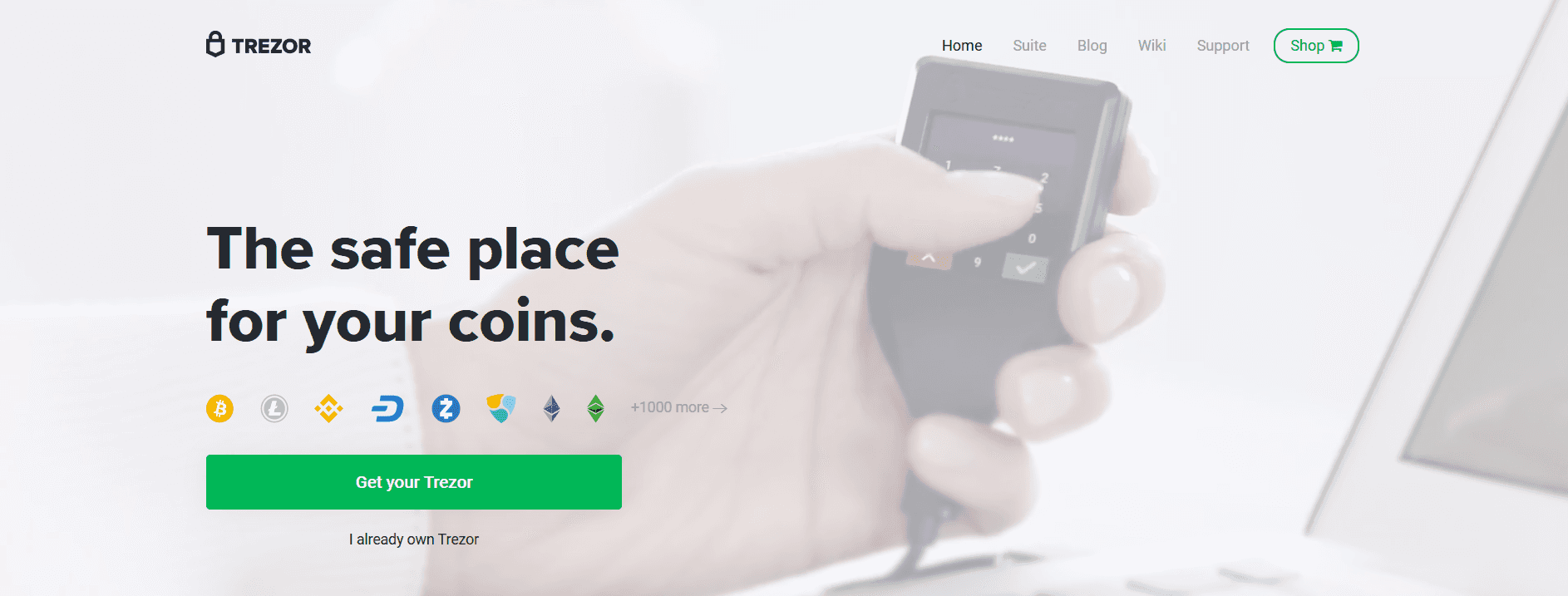
Trezor Login:
In today’s digital world, cryptocurrency security is essential. Trezor hardware wallets, including the Trezor Model T and Trezor One, are designed to protect your private keys offline, ensuring that your funds remain secure from hacking attempts, phishing scams, and malware.
Trezor Login is the process of securely accessing your Trezor wallet using Trezor Suite, the official software application. Unlike traditional online logins, Trezor login is hardware-based, meaning your private keys never leave the device, giving you full control over your assets.
This comprehensive guide explains everything you need to know about Trezor login, including setup, accessing accounts, security practices, troubleshooting, and advanced tips for managing multiple cryptocurrencies.
What is Trezor Login?
Trezor login allows users to access their cryptocurrency accounts through a Trezor hardware wallet and Trezor Suite. Key aspects include:
Hardware-Based Security: Private keys are stored offline, not on any server.
Device Verification: All transactions and sensitive actions must be confirmed on the Trezor device.
Secure Access to Accounts: Trezor Suite acts as a trusted interface to view balances, send and receive crypto, and manage multiple wallets.
Phishing Protection: By requiring physical confirmation on the device, Trezor login prevents unauthorized access even if your computer is compromised.
Unlike conventional online logins, Trezor login is device-centric, ensuring maximum security.
Tools Needed for Trezor Login
1. Trezor Hardware Wallet
Trezor offers two main devices:
Trezor Model T: A premium touchscreen wallet supporting a wide range of cryptocurrencies.
Trezor One: A more affordable, compact device suitable for beginners.
Your Trezor device stores all private keys offline, which is crucial for secure login and transaction verification.
2. Trezor Suite
Trezor Suite is the official software that allows users to:
View account balances and transaction history.
Send and receive cryptocurrencies securely.
Add and manage multiple accounts.
Swap supported cryptocurrencies safely.
Connect with trusted third-party apps for DeFi, NFT, and trading.
Trezor Suite is available as a desktop application (Windows, macOS, Linux) and a web interface for browsers.
3. PIN Code and Recovery Seed
PIN Code: A 4–9 digit code used to unlock your Trezor device. Multiple incorrect attempts will temporarily lock the device.
Recovery Seed: A 12–24 word master seed used to restore your wallet if your device is lost, stolen, or damaged.
How Trezor Login Works
Trezor login is device-based authentication. Here’s the step-by-step process:
Connect the Trezor device to your computer via USB.
Open Trezor Suite on desktop or browser.
Enter your PIN code on the Trezor device itself.
Access cryptocurrency accounts through Trezor Suite.
Confirm transactions physically on the device for maximum security.
Every action requires manual confirmation on the device, preventing unauthorized access even if the computer or software is compromised.
Step-by-Step Guide to Trezor Login
Step 1: Prepare Your Trezor Device
Verify your device is genuine and untampered.
Charge the device if applicable (Model T).
Have your PIN and recovery seed accessible for emergencies.
Step 2: Install or Open Trezor Suite
Download the official Trezor Suite from the Trezor website.
Open the app and ensure it is up to date.
Step 3: Connect Your Trezor Device
Desktop: Connect via USB.
Browser: Connect via USB and allow browser access.
Ensure Trezor Suite detects the device.
Step 4: Enter Your PIN
Use the Trezor device to enter your PIN.
The device displays a randomized keypad to prevent keylogging attacks.
Step 5: Access Cryptocurrency Accounts
Select the account you want to access within Trezor Suite.
View balances, transaction history, and portfolio overview.
Send or receive cryptocurrency securely.
Step 6: Advanced Account Management
Add multiple cryptocurrency accounts.
Connect to trusted third-party services for trading, staking, or NFT management.
Always confirm transactions on the device to maintain security.
Security Features of Trezor Login
1. Offline Private Key Storage
Private keys never leave the Trezor device, preventing exposure to hackers.
2. PIN Protection
Ensures that unauthorized users cannot access your wallet.
Multiple incorrect PIN attempts temporarily lock the device.
3. Recovery Seed
The 12–24 word seed allows you to restore your wallet on a new device.
Must be stored offline and never shared.
4. Transaction Verification
All actions, including sending crypto or adding accounts, require confirmation on the device.
Prevents malware or compromised software from redirecting transactions.
5. Optional Passphrase
Acts as a “25th word” to create a hidden wallet.
Provides an extra layer of security for sensitive funds.
Trezor Login: Desktop vs Web
Desktop
Connect via USB.
Unlock using PIN.
Manage accounts, send/receive funds, swap supported cryptocurrencies, and view portfolio.
Web Interface
Connect Trezor via USB and open Trezor Suite in a supported browser.
Unlock using PIN.
Provides full account management while maintaining device-based security.
Both methods maintain offline key protection and require device confirmation for all transactions.
Troubleshooting Trezor Login
Device Not Recognized
Try a different USB cable or port.
Restart Trezor Suite.
Update the device firmware.
PIN Issues
Entering the wrong PIN multiple times temporarily locks the device.
Recovery is possible using the 12–24 word seed.
Account or Sync Problems
Ensure Trezor Suite is updated.
Confirm the device is connected properly.
Make sure the correct cryptocurrency app is open.
Best Practices for Trezor Login
Always use Trezor Suite from official sources to avoid phishing scams.
Keep your recovery seed offline and secure.
Verify transaction addresses on the device before confirming.
Update firmware regularly to maintain security and functionality.
Disconnect your device when idle to prevent unauthorized access.
Advanced Trezor Login Tips
Multiple Wallets: Organize multiple cryptocurrency accounts under one device.
Hidden Wallets: Use passphrases to create additional wallets for sensitive funds.
DeFi & Third-Party Apps: Safely connect to decentralized finance platforms without exposing private keys.
Test Transactions: Use small transactions when sending funds to new addresses to verify accuracy.
Recovery and Backup
If your Trezor device is lost, stolen, or damaged:
Acquire a new Trezor device or compatible wallet.
During setup, select Recover Wallet.
Enter your 12–24 word recovery seed (and passphrase if used).
Set a new PIN.
Access accounts securely via Trezor Suite.
Recovery ensures that your cryptocurrency remains safe even without the original hardware.
Conclusion
Trezor login is a secure, hardware-based method to access and manage cryptocurrency accounts. Using Trezor Suite in combination with your hardware wallet ensures:
Private keys remain offline and secure.
Multiple accounts can be managed safely.
Transactions require physical confirmation.
Recovery is possible in emergencies.
Key points:
Login is device-centric, not password-based.
Always confirm transactions on the Trezor device.
Keep your PIN and recovery seed secure and offline.
Optional passphrases can add extra protection.
Mastering Trezor login is essential for anyone serious about cryptocurrency security. It provides peace of mind while allowing seamless access to your digital assets.